Reaching Hidden Hotspots: HTS Mobile Team Outreach
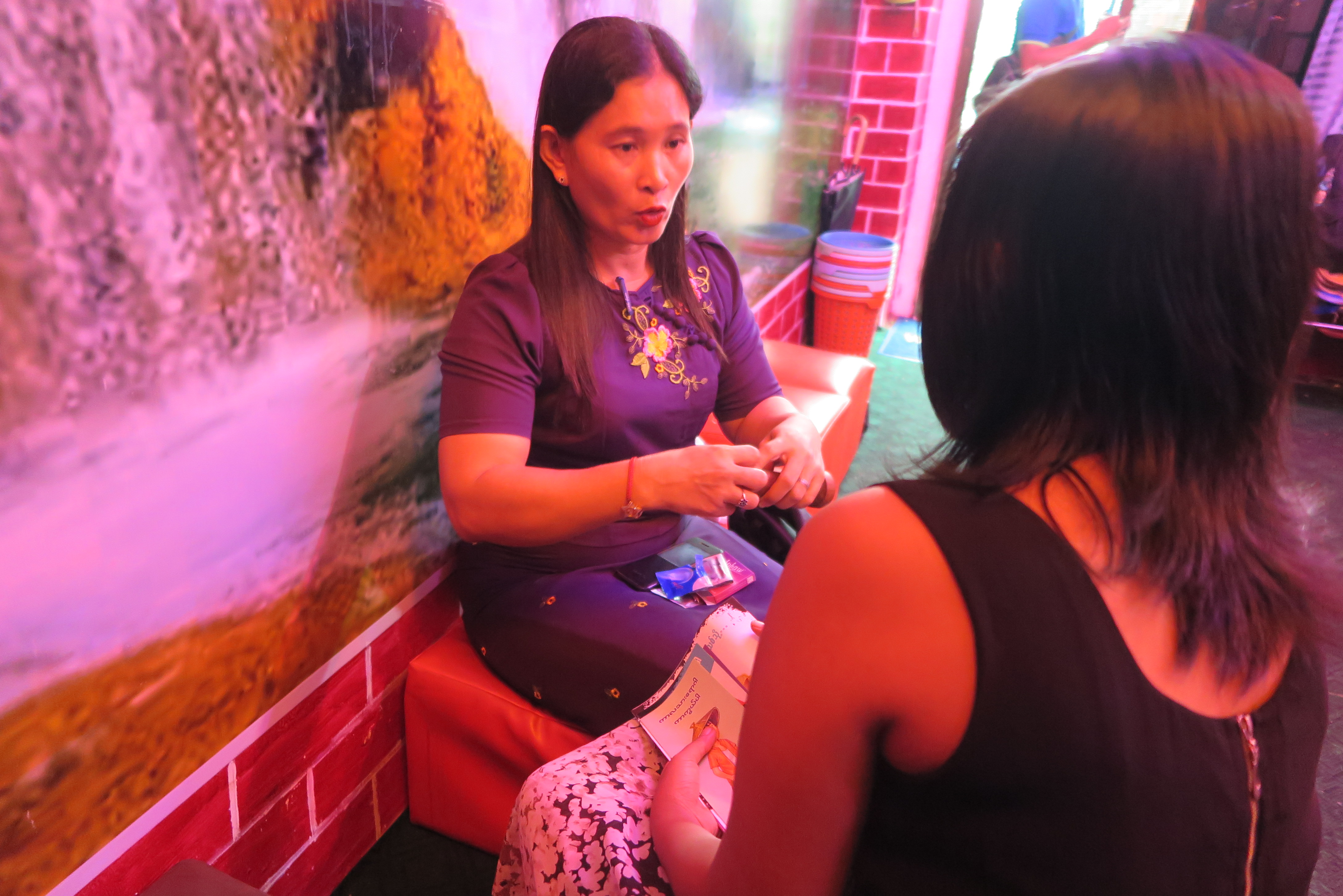
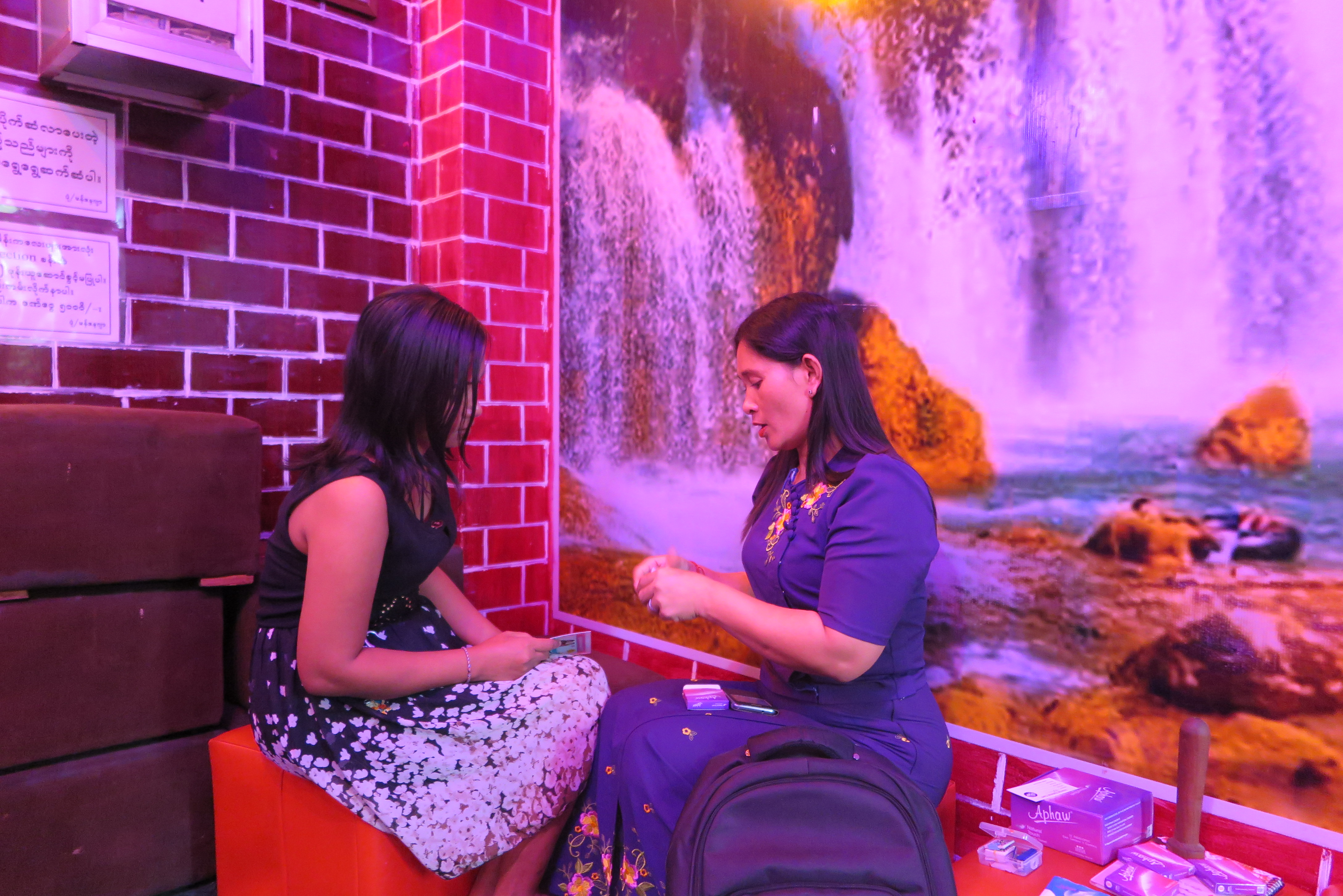
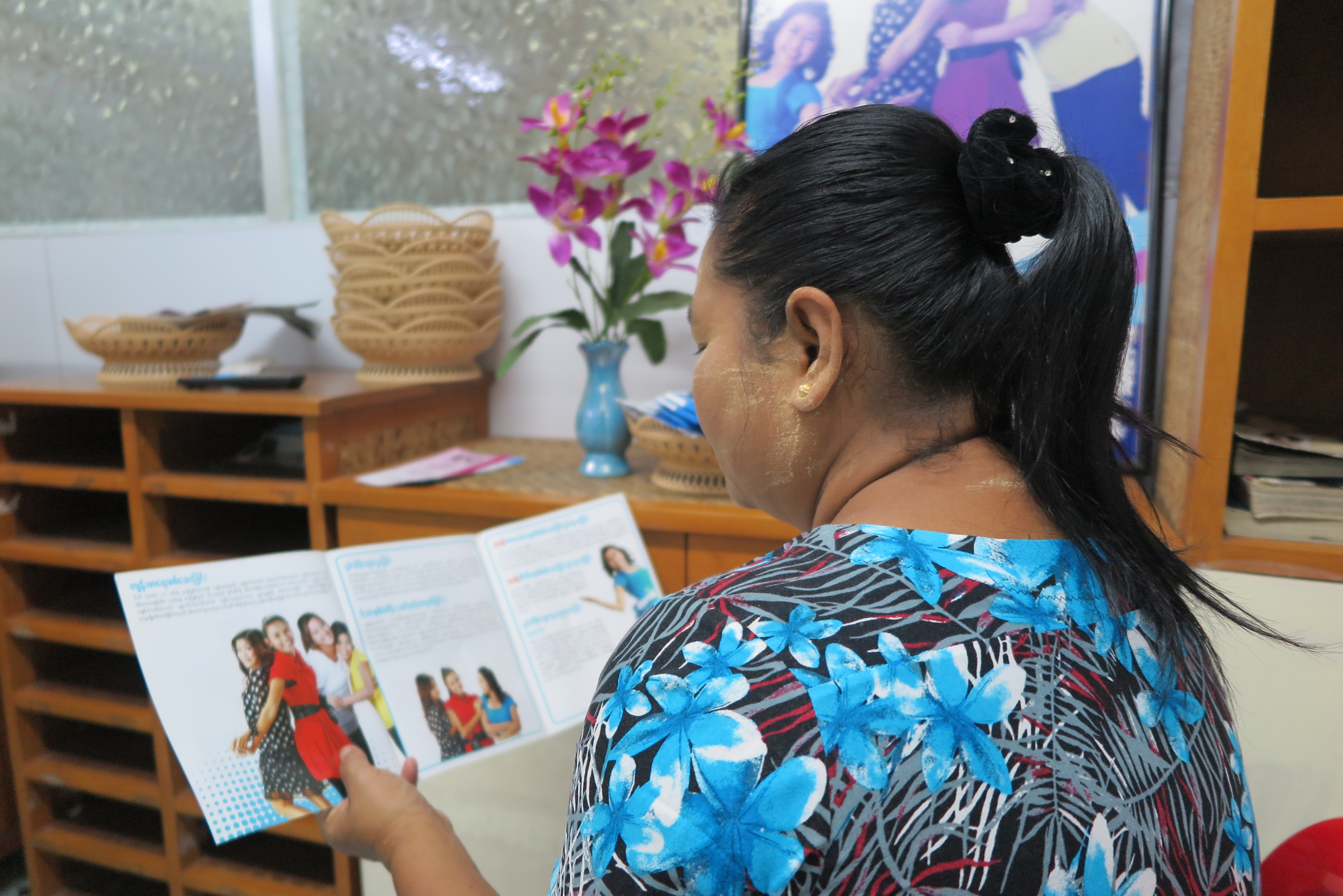
Every month, the Mandalay LPK HTS mobile testing team travels to Kyaukse and Sintgaing Townships to extend HIV testing and prevention services. During one of these visits, a female Community Outreach Organizer (COO) identified a hidden hotspot along the Sintgaing highway—small betel shops that discreetly served as gathering points for female sex workers (FSWs). At first, the shop owners were hesitant to disclose their realities, presenting themselves only as sellers of betel and snacks. With patience and empathy, the COO built trust by introducing LPK’s mission, explaining available prevention services, and highlighting the importance of linkage to care. Gradually, the owners opened up and allowed health education sessions for their workers. The team provided information on HIV/STIs, distributed condoms and lubricants, and encouraged testing. Many of the women admitted to inconsistent condom use, especially when clients offered higher fees, and expressed limited knowledge about HIV/STIs. Despite challenges—such as time constraints, the presence of customers (mostly highway drivers), and the lack of private space for counseling—the team adapted and persevered. As a result, 12 clients were tested, with 3 found HIV-positive. Each received confidential post-test counseling, emotional support, and immediate linkage to care. Female peers played a crucial role in accompanying clients to Sintgaing Hospital for pre-ART preparation, maintaining confidentiality through discreet phone contact, and supporting STI treatment, including syphilis management with B’Pen injections. Nutrition baskets were also provided to those with opportunistic infections and low BMI, ensuring holistic care. Today, these women are on ART, have completed STI treatment, and continue their work with renewed confidence. They adhere to ART regularly, use condoms consistently, and express gratitude for the emotional and practical support received. This mobile HTS trip exemplifies how LPK Mandalay reaches hidden key populations with empathy, adaptability, and respect. By uncovering a concealed hotspot, building trust, and ensuring linkage to care, the team not only improved health outcomes but also strengthened resilience among FSWs. Their gratitude reflects the warm impact of our collective efforts—evidence that compassionate outreach truly transforms lives