Health Spotlight.
Reports, briefs, and guidance documents from Lan Pya Kyel's work with key populations across Myanmar.
Reaching Hidden Hotspots: HTS Mobile Team Outreach
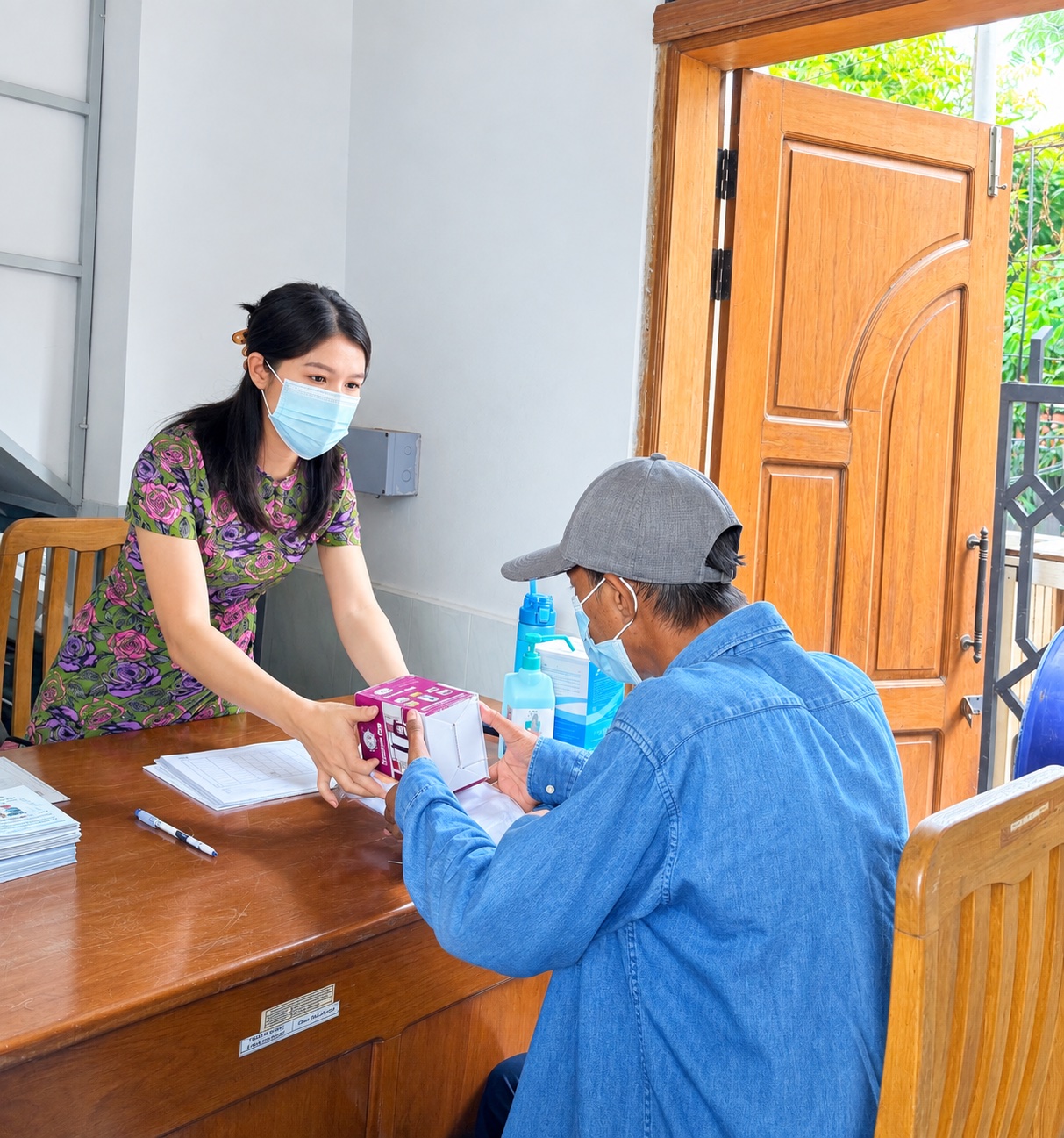
Every month, the Mandalay LPK HTS mobile testing team travels to Kyaukse and Sintgaing Townships to extend HIV testing and prevention services. During one of these visits, a female Community Outreach Organizer (COO) identified a hidden hotspot along the Sintgaing highway—small betel shops that discreetly served as gathering points for female sex workers (FSWs). At first, the shop owners were hesitant to disclose their realities, presenting themselves only as sellers of betel and snacks. With patience and empathy, the COO built trust by introducing LPK’s mission, explaining available prevention services, and highlighting the importance of linkage to care. Gradually, the owners opened up and allowed health education sessions for their workers. The team provided information on HIV/STIs, distributed condoms and lubricants, and encouraged testing. Many of the women admitted to inconsistent condom use, especially when clients offered higher fees, and expressed limited knowledge about HIV/STIs. Despite challenges—such as time constraints, the presence of customers (mostly highway drivers), and the lack of private space for counseling—the team adapted and persevered. As a result, 12 clients were tested, with 3 found HIV-positive. Each received confidential post-test counseling, emotional support, and immediate linkage to care. Female peers played a crucial role in accompanying clients to Sintgaing Hospital for pre-ART preparation, maintaining confidentiality through discreet phone contact, and supporting STI treatment, including syphilis management with B’Pen injections. Nutrition baskets were also provided to those with opportunistic infections and low BMI, ensuring holistic care. Today, these women are on ART, have completed STI treatment, and continue their work with renewed confidence. They adhere to ART regularly, use condoms consistently, and express gratitude for the emotional and practical support received. This mobile HTS trip exemplifies how LPK Mandalay reaches hidden key populations with empathy, adaptability, and respect. By uncovering a concealed hotspot, building trust, and ensuring linkage to care, the team not only improved health outcomes but also strengthened resilience among FSWs. Their gratitude reflects the warm impact of our collective efforts—evidence that compassionate outreach truly transforms lives
Read publication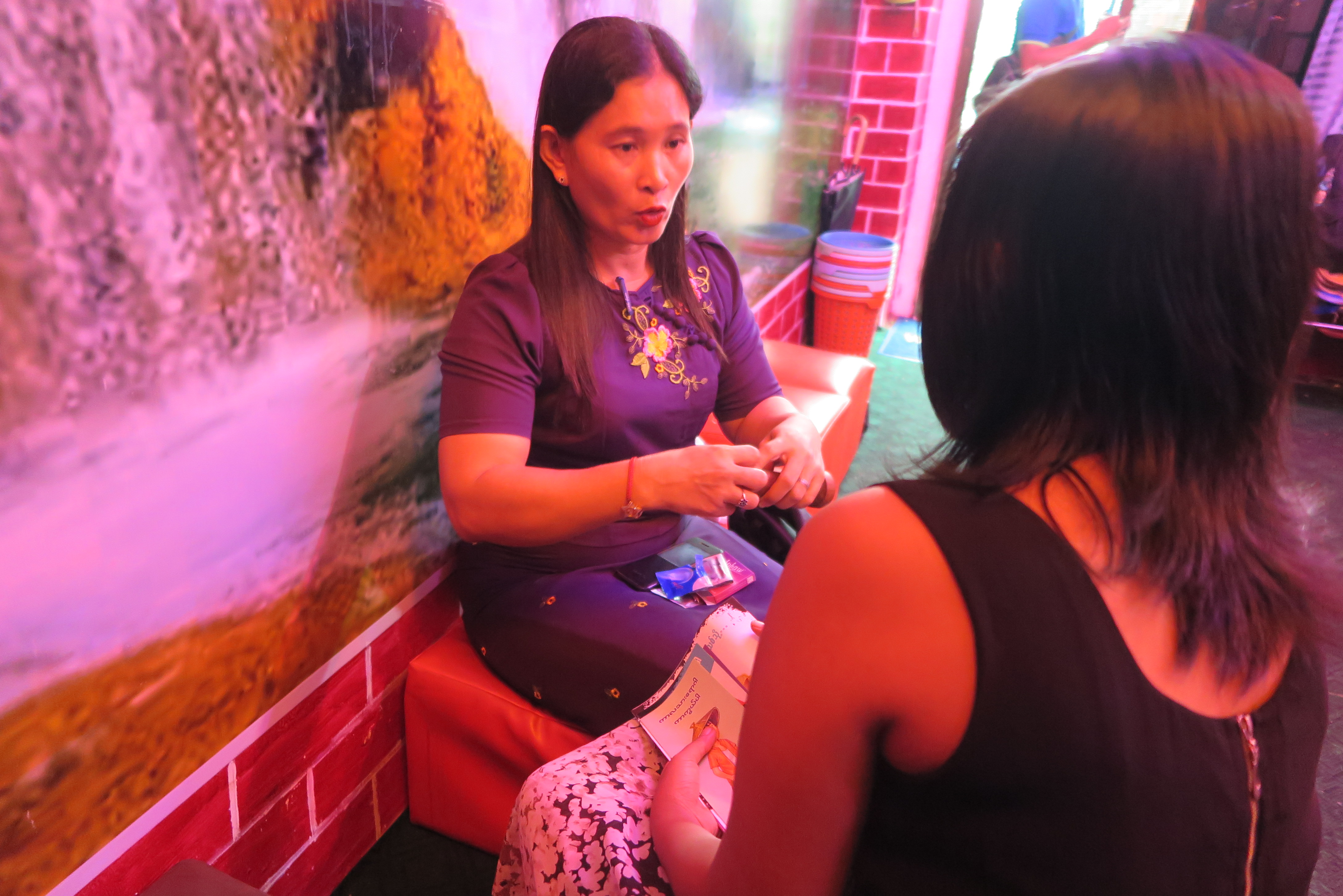
Overcoming Isolation: A Journey of Care and Mental Support
A 41-year-old woman who has never married was working as a date girl to support herself and her family. Although she did not want to continue this work, severe financial difficulties left her with few alternatives. Her mother and younger sister also disapproved of her work, which made her feel increasingly isolated and unsupported. During an outreach activity, LPK outreach team reached her and provided HIV testing at LPK. Her test result was positive. Following the diagnosis, LPK counselors provided counseling and supported her through the next steps of HIV care. During the initial assessment, the counselor identified that she was experiencing significant emotional and mental health difficulties. Her situation had become especially difficult because her mother and sister had moved away and left her living alone after feeling ashamed of her work. Although she was clinically stable based on her baseline assessment, she was emotionally distressed and struggled to see a way forward. Recognizing that HIV treatment alone would not address all of her needs, the LPK counselor provided ongoing mental health support using PM+. Additionally, Motivational Interviewing (MI) approach is provided by counselor, who had received MI training from FHI. The counselor first focused on self-care and emotional support and then introduced problem-solving counseling to help her identify practical ways to manage her difficulties. After more than two counseling sessions, she showed a significant improvement in her emotional well-being. She became more open during counseling, started thinking more positively about her future, and was able to identify practical solutions to improve her situation. Most importantly, she began to regain confidence and hope that she could build a life outside the work she did not want to continue. With continued support from LPK, she is now planning to start a small business as an alternative source of income. She has also been linked to NAP for ART initiation. LPK supported her with transportation allowance and baseline investigations to reduce the financial barriers that could prevent her from starting and continuing HIV treatment. Her journey demonstrates that successful HIV services require more than testing and treatment. Through community outreach, HIV counseling, mental health support, problem-solving counseling, linkage to ART, transportation assistance, and continued follow-up, LPK helped her move from a situation of isolation and hopelessness toward one of hope, independence, and a plan for a better future. Today, she is preparing to start ART and work toward establishing her small business. Her story is a reminder that when clients are supported with compassion and practical assistance, an HIV diagnosis does not have to define their future—it can be the beginning of a new path toward a healthier and more independent life.
Read publication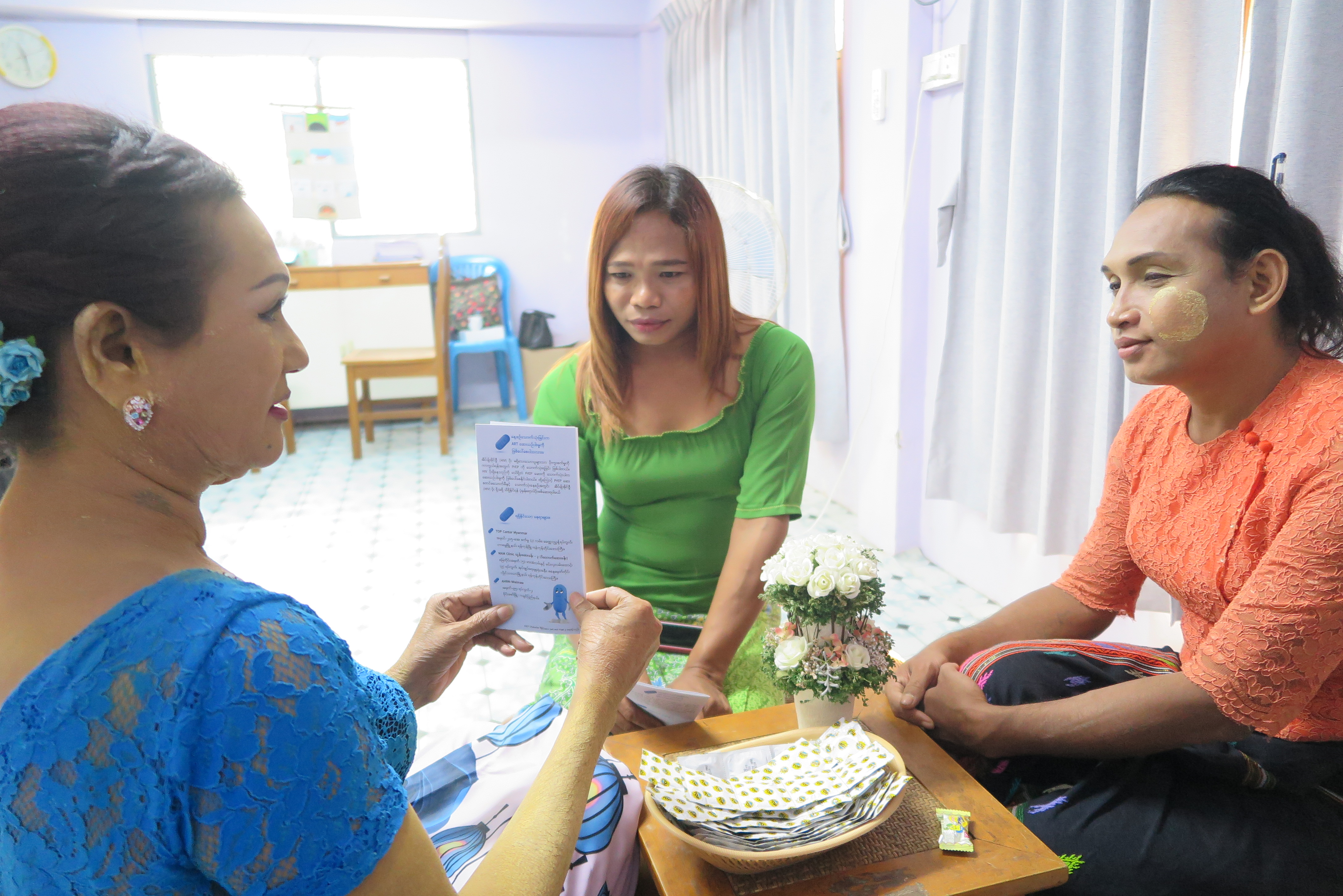
Building Trust with Community Partners: Hotel Outreach
The narrative is about achievement LPK outreach workers who successfully reached to clients from hard-to-reach area in high-risk population; Phone date-girls at a hotel in Mandalay. Since LPK is giving HIV comprehensive prevention services in MDL, a hotel manager from a hotel in Mandalay near train station, contacted to a LPK outreach worker because he wanted to get the free condoms. But when the outreach team explained they wanted to provide broader health services- like health education, testing and counselling- for the call girls at the hotel, he denied everything and didn’t admit giving such kind of services at the hotel. It was a hard wall to break but the outreached team didn’t simply give up. In order to gain the trust of the manager, the manager was invited to LPK HE session and was shown how confidentiality is carefully protected and professionalism of the outreached team of LPK organization. During that visit, the team give him clear information about HIV, STI diseases, helping him understand why these services matter for the whole public health. After gaining his trust, he admitted that the hotel was giving the online date-girls services and agreed to refer to LPK MDL office to get the clients tested. Some of the clients have been offered prevention services and even PrEP on their agreement. Unfortunately, few clients showed HIV test positive. Since the hotel manager cannot know the clients HIV status to avoid them being expelled from work, peers from LPK brought the clients in by telling manager that they are receiving other prevention services like regular check-up instead of telling him that the clients need to access ART; accompanied referral by outreach workers. Moreover, the positive clients were given appropriate supportive, mental counselling, how to take ART medicine timely. Then, the peers shared their phone numbers and LPK social media information to find and support new clients who needed help. Through trust building, advocacy, confidentiality and persistent outreach efforts, the peers can reach to hidden population and make sure that clients who tested positive were linked to ART treatment and care for life saving treatment.
Read publication